Choosing the Right Cox Hotel for Comfort, Location, and Value
Finding the ideal cox hotel is the most important decision when planning a coastal getaway in Cox’s Bazar. This destination attracts travelers seeking scenic ocean views, relaxing accommodations, and convenient access to beaches, markets, and local dining. Selecting a well-located property ensures both comfort and efficiency during your trip, especially if you want to balance leisure with exploration. Many travelers begin their search with trusted properties such as cox hotel, which offers a blend of hospitality standards, amenities, and proximity to key attractions.
Why Location Matters When Booking a Coastal Stay
The placement of your hotel determines how easily you can access major attractions, restaurants, and transportation. A centrally positioned property allows guests to step out and immediately enjoy the ocean breeze or nearby cafés without spending time commuting. Hotels near the shoreline also tend to offer better views, enhanced ambiance, and quicker access to sunrise or sunset experiences. Travelers who prioritize convenience often select accommodations within walking distance of the beach, ensuring that every moment of their vacation remains relaxing rather than rushed.
Another advantage of a strategic location is safety and accessibility. Hotels situated in well-developed zones usually provide better lighting, reliable transport options, and nearby services such as pharmacies or convenience stores. These factors may seem minor but greatly influence the overall comfort of your stay. A thoughtfully located hotel enhances not only your sightseeing experience but also your peace of mind throughout the trip.
Essential Amenities That Define a Quality Stay
A modern seaside hotel should provide more than just a room and a bed. Travelers increasingly look for amenities that enhance convenience, productivity, and relaxation. High-speed internet, for example, is essential for business travelers and digital nomads, while families may prioritize spacious rooms and recreational facilities. The best properties anticipate these needs and incorporate them into their guest services.
Key amenities often expected include:
- Air-conditioned rooms with climate control
- 24-hour reception and concierge service
- On-site dining options
- Secure parking facilities
- Laundry and housekeeping services
When evaluating a property, it is wise to compare available amenities against your travel priorities. Some guests may value wellness facilities such as gyms or spas, while others focus on dining or conference services. Choosing a hotel that aligns with your expectations ensures maximum satisfaction throughout your stay.
Room Types and Accommodation Options
Hotels typically offer multiple room categories designed to suit different budgets and group sizes. Standard rooms work well for solo travelers or short visits, while deluxe or suite options provide additional space, upgraded furnishings, and enhanced views. Families or groups may benefit from interconnected rooms or larger suites that accommodate several guests comfortably.
Room design also contributes significantly to the guest experience. Natural lighting, tasteful décor, and functional layouts create an inviting environment that encourages relaxation after a long day of sightseeing. When selecting a hotel, reviewing room photos and descriptions can help you determine whether the property matches your comfort standards.
Hospitality Standards and Guest Experience
Professional service is one of the defining features of a reputable hotel. Staff responsiveness, courtesy, and attention to detail can transform an ordinary stay into a memorable one. From smooth check-in procedures to prompt room service, every interaction shapes the guest’s perception of the property.
Hotels that emphasize hospitality often train their teams extensively to handle guest requests efficiently. This includes multilingual support, concierge assistance for tours, and personalized recommendations for dining or activities. Such services are especially valuable for first-time visitors unfamiliar with the area. A property that prioritizes guest satisfaction demonstrates its commitment to maintaining high service standards.
Cleanliness and Hygiene Expectations
Modern travelers place strong emphasis on cleanliness, and rightly so. A well-maintained hotel ensures sanitized rooms, fresh linens, and spotless common areas. These standards not only enhance comfort but also promote health and safety. Properties that maintain consistent housekeeping schedules and adhere to hygiene protocols often earn higher guest satisfaction ratings.
Visible cleanliness is equally important. Guests tend to judge a hotel’s overall quality based on first impressions, such as the condition of the lobby or corridors. A tidy and organized environment reassures visitors that management values professionalism and attention to detail.
Dining Experiences Inside a Cox Hotel
On-site dining can significantly enrich your stay, especially when you prefer convenience or wish to sample local cuisine without leaving the property. Many coastal hotels feature restaurants that serve both regional dishes and international favorites. This allows guests to explore diverse flavors while enjoying a comfortable setting.
Breakfast services are particularly important for travelers with busy schedules. A well-planned breakfast menu provides a nutritious start to the day, ensuring you have the energy needed for sightseeing or meetings. Lunch and dinner options add further convenience, especially for families or business guests who prefer dining within the hotel premises.
Hotels with professional culinary teams often emphasize quality ingredients, hygienic preparation, and varied menus. Such establishments strive to cater to different dietary preferences, including vegetarian or low-spice options. This attention to detail enhances guest satisfaction and encourages repeat visits.
Comparing Budget and Luxury Accommodation Choices
Travelers often face the decision between budget-friendly lodging and upscale hotels. Each category offers distinct advantages depending on your travel purpose. Budget accommodations typically focus on essential services at affordable rates, making them ideal for short stays or travelers who plan to spend most of their time outdoors.
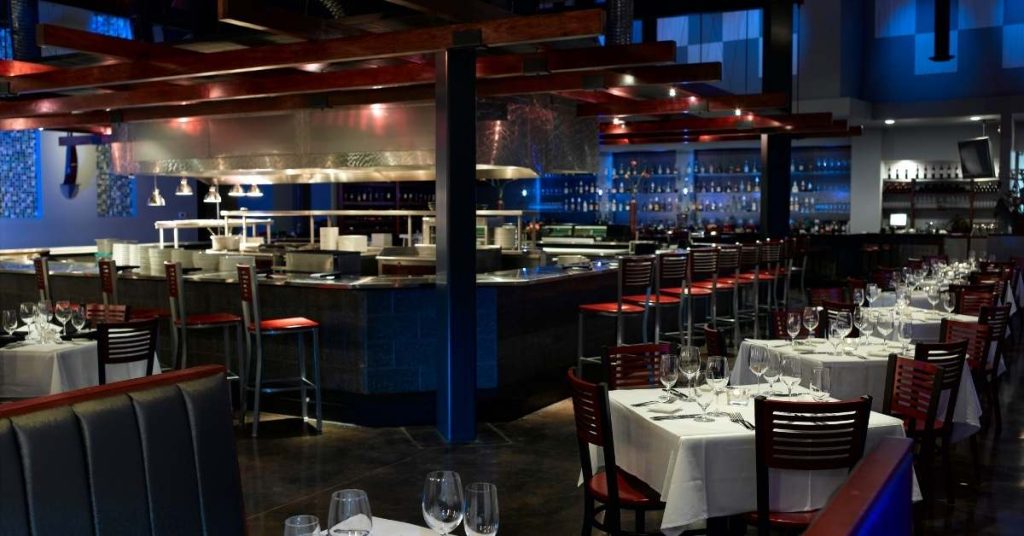
Luxury hotels, on the other hand, provide a comprehensive experience that combines comfort, elegance, and premium services. Features such as ocean-view rooms, concierge assistance, and fine dining create a more refined atmosphere. While the cost may be higher, the added comfort and convenience often justify the investment for special occasions or extended vacations.
Cost vs Value Considerations
Price alone should not determine your choice of accommodation. Instead, consider the overall value offered by the hotel. A slightly higher rate may include complimentary breakfast, airport transfers, or access to recreational facilities, ultimately saving money in other areas. Evaluating these factors helps travelers make informed decisions based on both budget and expectations.
The most reliable way to assess value is by reading guest reviews and comparing services. Feedback from previous visitors often reveals insights about service quality, cleanliness, and overall satisfaction. This information can guide you toward a property that delivers consistent performance and positive experiences.
How to Identify a Trusted Hotel Option
Selecting a reliable property involves more than checking prices or photos. Reputation plays a crucial role in determining whether a hotel can meet your expectations. Established hotels with strong track records usually maintain consistent standards and transparent policies. They often provide detailed information about their services, making it easier for guests to understand what they are booking.
Travelers searching for dependable accommodations frequently consider recognized properties such as cox hotel, known for combining comfort with accessible location advantages. Choosing a reputable hotel reduces uncertainty and ensures a smoother travel experience from check-in to departure.
Indicators of Credibility
Several factors indicate whether a hotel is trustworthy:
- Verified guest reviews across multiple platforms
- Clear booking and cancellation policies
- Updated photographs of rooms and facilities
- Responsive customer support channels
Hotels that openly share these details demonstrate transparency and professionalism. This level of openness helps travelers feel confident about their reservation decisions.
Travel Tips for Booking the Right Hotel
Timing can greatly influence availability and pricing. Peak travel seasons often lead to higher rates and limited room options, so early reservations are recommended. Booking in advance not only secures your preferred room type but may also provide access to promotional offers or discounts.
It is also advisable to confirm transportation arrangements before arrival. Knowing how you will reach your hotel from the airport or bus station eliminates last-minute stress. Many properties offer transfer services, which can be especially helpful for first-time visitors.
Another useful strategy is to review cancellation policies carefully. Flexible policies allow you to adjust your plans if circumstances change, while strict policies may involve penalties. Understanding these terms ensures you avoid unexpected charges.
The Role of Design and Atmosphere
Interior design significantly influences how guests perceive a hotel. Thoughtful décor, coordinated color schemes, and comfortable furnishings create an inviting environment that enhances relaxation. Hotels that invest in aesthetic details often leave a lasting impression on visitors, encouraging them to return in the future.
Atmosphere extends beyond visual elements. Lighting, music, and scent all contribute to the overall ambiance. A welcoming environment helps guests unwind after travel, making their stay more enjoyable. Properties that prioritize atmosphere understand that comfort is both physical and emotional.
Importance of Quiet and Privacy
Restful sleep is essential during travel, which is why soundproofing and privacy features matter. Well-constructed rooms minimize outside noise, allowing guests to relax without disturbances. Curtains, proper insulation, and thoughtful room placement all contribute to a peaceful environment.
Hotels that respect privacy also design layouts that prevent overcrowding in hallways or common areas. These details ensure that guests feel comfortable and secure throughout their stay.
Facilities for Business and Events
Many travelers visit coastal destinations not only for leisure but also for professional purposes. Hotels that provide conference rooms, meeting facilities, and business centers cater to this segment effectively. Reliable Wi-Fi, presentation equipment, and technical support enable smooth business operations even while traveling.
Event spaces are equally valuable for social gatherings such as weddings or corporate functions. Spacious halls, catering services, and professional coordination teams allow hosts to organize memorable occasions without logistical stress. Choosing a hotel equipped for events can simplify planning and ensure a successful outcome.
Safety and Security Standards
Security is a fundamental aspect of any hotel stay. Modern properties implement surveillance systems, secure access points, and trained staff to maintain a safe environment. Guests should feel confident that their belongings and personal safety are protected at all times.
Emergency preparedness is another important factor. Hotels with clear evacuation plans, fire safety equipment, and trained personnel demonstrate responsibility and professionalism. These measures not only comply with regulations but also reassure guests that their well-being is a top priority.
Seasonal Considerations for Travelers
Weather patterns influence travel experiences significantly. Coastal regions may have peak seasons with ideal conditions and off-seasons characterized by rain or humidity. Understanding seasonal variations helps travelers choose the best time to visit and secure accommodations that match their preferences.
Off-season travel often provides advantages such as lower rates, fewer crowds, and more personalized service. However, it may also limit certain activities. Weighing these factors allows you to plan a trip that aligns with your expectations and interests.
Making the Most of Your Stay
Maximizing your hotel experience involves more than booking a room. Taking advantage of available services, exploring nearby attractions, and engaging with hotel staff can enhance your trip. Staff members often possess valuable local knowledge and can recommend hidden gems or efficient travel routes.
Guests who communicate their preferences clearly tend to receive better service. Whether requesting specific room features or dietary accommodations, informing the hotel in advance helps staff prepare accordingly. This proactive approach ensures a smoother and more enjoyable stay from start to finish.